
October 18, 2017
What is Esthetics and Why is it a Great Career?
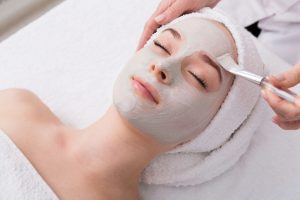
Esthetics is the study and practice of skincare, including treatments designed to care for the skin, temporary hair removal, makeup, body treatments, and other beauty services. For someone who is especially interested in skincare rather than hair or nails, esthetics offers a more focused path within the beauty industry. At Phagans School of Hair Design in Happy Valley, Oregon, our 600-hour esthetics program combines classroom learning with practical experience to help students prepare to sit for the Oregon state licensing exam and pursue opportunities in the skincare industry.
What is esthetics?
Esthetics focuses primarily on the skin and the services used to care for it. While cosmetology covers several areas of beauty, including hair, skin, and nails, esthetics gives students the opportunity to concentrate specifically on skincare and related services.
Estheticians can work with clients to understand their skin and provide services based on their needs. Depending on their training, licensing, and state scope of practice, those services can include facials, makeup, waxing, body treatments, lash and brow services, and other forms of skincare.
At Phagans School of Hair Design, students in our esthetics program study the skin, associated structures, skin diseases, and skin disorders while learning practical esthetics services.
What services do estheticians perform?
Estheticians can provide a variety of skincare and beauty services. The exact services an esthetician may perform depend on their training, license, and the laws where they practice.
Some common areas of esthetics include:
- Facials: Facials can include cleansing, exfoliating, masks, moisturizing, and other techniques based on a client’s skin and the type of service being provided.
- Temporary hair removal: Estheticians may learn techniques for removing unwanted hair, including waxing services for areas such as the eyebrows, arms, legs, and face.
- Microdermabrasion: Microdermabrasion is an exfoliating treatment that removes dead skin from the surface. At the Phagans student salon, microdermabrasion is among the skincare services performed by students under supervision.
- Makeup: Esthetics education can also include makeup application. Students can learn how skin type, facial features, products, and application techniques affect the finished look.
- Body treatments: Esthetics isn’t limited to the face. Students may also learn treatments designed for other areas of the body.
- Lash and brow services: Esthetics training can include services such as lash and brow tinting.
These are only a few examples of what someone may study in esthetics school. If you’d like to experience skincare services in an educational setting, you can explore the skincare services at the Phagans student salon. Services are performed by students under the supervision and direction of a registered teacher.
What do you learn in esthetics school?
Esthetics school teaches both the theory behind skincare and the practical skills used to perform esthetics services. At Phagans, the esthetics curriculum is 600 hours and is designed to help students prepare for the Oregon state board and work toward becoming licensed skincare professionals.
Students can learn areas such as:
- Skincare treatments
- Makeup
- Body treatments
- Temporary hair removal
- Lash and brow tints
- Skin diseases and disorders
- Safety and sanitation
- Client care and customer service
Training isn’t limited to reading about these subjects. Students progress through the Phagans esthetics course in levels and must complete required hours, operations, written evaluations, and practical evaluations as they advance.
The first three weeks of the program are spent in a classroom setting. During this time, students can learn esthetics fundamentals and practice with classmates and models. After successfully completing those first three weeks, students move onto the clinic floor, where they can begin practicing practical skills and customer service with actual clients under the supervision of licensed instructors.
This combination of theory and practical experience gives students opportunities to develop their skills while receiving feedback from instructors.
Where can estheticians work?
Licensed estheticians can pursue opportunities in several areas of the beauty and skincare industries. The type of setting you choose may depend on the services you enjoy, your professional goals, and any additional licensing or experience required for a particular role.
Possible settings and career paths can include:
- Salons
- Spas
- Hotels and resorts with spa services
- Skincare businesses
- Beauty product companies
- Product education
- Makeup artistry
- Beauty education, with any additional credentials required
Some estheticians are especially interested in working directly with clients, while others may eventually explore areas such as product representation, education, or business ownership. Career requirements vary by position, so students should research the requirements for the specific type of work they hope to pursue.
What’s the difference between esthetics and cosmetology?
The main difference between esthetics and cosmetology is the scope of training. Esthetics focuses primarily on skincare and related services, while cosmetology education covers a broader range of beauty subjects that can include hair, skin, and nails.
If skincare is the area of beauty that interests you most, an esthetics-specific education can allow you to focus your training in that area. If you’re interested in working with hair in addition to skincare, a broader beauty program may make more sense for your goals.
Phagans also offers dual-program options for students interested in combining areas of study. Exploring the different programs can help you determine whether you want to focus specifically on esthetics or pursue education across multiple areas of the beauty industry.
How long is esthetics school in Oregon?
At Phagans School of Hair Design, the esthetics program consists of 600 hours of training. Those hours include both theory and practical education designed to prepare students for the Oregon state licensing process.
Rather than focusing only on completing the required hours, students progress through different levels of training. They complete required operations and both written and practical evaluations as they develop their skills.
Students who want to know how those 600 hours translate into a potential completion date should speak directly with the Phagans admissions team. Your individual schedule and other factors can affect how long it takes to complete your education.
How do you become an esthetician in Oregon?
Becoming an esthetician requires education and licensure. For students considering Phagans, the process begins with completing the school’s esthetics training and preparing for the applicable Oregon licensing requirements.
A typical path includes:
- Choose an esthetics program. Look at the curriculum, training environment, location, and how the program fits your goals.
- Complete your required training. The Phagans esthetics program includes 600 hours of education covering theory and practical skills.
- Develop practical skills. Phagans students can practice with actual clients on the clinic floor under the supervision of licensed instructors after successfully completing the initial classroom portion of the program.
- Prepare for state licensing requirements. The Phagans curriculum is designed to prepare students to sit for the Oregon State Board written exam.
- Complete applicable licensing requirements. Students should review current Oregon requirements when approaching graduation because licensing requirements can change.
If you’re considering school, you don’t have to figure out the enrollment process alone. The Phagans admissions team can explain the program, enrollment requirements, and what to expect before classes begin.
Is esthetics a good fit for you?
Esthetics may be worth exploring if skincare is the part of the beauty industry that interests you most. Because the field centers on working with the skin and providing services directly to clients, it can appeal to people who enjoy both hands-on beauty work and interacting with others.
You may want to consider esthetics if you:
- Enjoy learning about skincare and beauty products
- Like performing hands-on services
- Enjoy working directly with people
- Are interested in facials, waxing, makeup, or other skincare services
- Want to focus your beauty education primarily on skincare
- Are comfortable continuing to practice and develop practical skills
Choosing a beauty program is a personal decision. Comparing the subjects taught in esthetics with other areas of beauty can help you decide which type of training better matches your interests.
Why study esthetics at Phagans School of Hair Design?
Phagans School of Hair Design offers a 600-hour esthetics program in Happy Valley, Oregon, where students can build both theoretical knowledge and practical experience. Students begin by developing a foundation in the classroom before progressing to supervised work with actual clients on the clinic floor.
The curriculum includes skincare treatments, makeup, body treatments, temporary hair removal, lash and brow tinting, and other esthetics topics. Students also receive written and practical evaluations as they move through the program.
Students who are thinking about the cost of school can also explore Phagans’ tuition and financial aid information. Financial aid is available for those who qualify, and the admissions team can help prospective students learn more about their options.
Ready to learn more about esthetics?
If skincare, makeup, waxing, and hands-on beauty services sound like the direction you want to explore, esthetics education could be your next step. At Phagans School of Hair Design, our 600-hour esthetics program is designed to help students build practical skincare skills and prepare to sit for the Oregon state licensing exam.
Request enrollment information from Phagans to learn more about the esthetics program, ask questions about enrollment, or schedule a tour of our Happy Valley school.
Frequently Asked Questions About Esthetics
What is esthetics?
Esthetics is the study and practice of skincare and related beauty services. Training can cover areas such as skincare treatments, makeup, temporary hair removal, body treatments, and lash and brow services.
What does an esthetician do?
An esthetician is a skincare professional who can provide services such as facials, waxing, makeup application, and other skincare treatments within their training and licensed scope of practice.
How many hours is esthetics school at Phagans?
The esthetics program at Phagans School of Hair Design consists of 600 hours of training. Students learn both esthetics theory and practical skills as they progress through the program.
What do you learn in the Phagans esthetics program?
Students can learn skincare treatments, makeup, body treatments, temporary hair removal, lash and brow tinting, skin diseases and disorders, customer service, and other skills related to esthetics.
Do esthetics students at Phagans work with real clients?
Yes. After successfully completing the first three weeks of classes, students can move to the clinic floor and begin practicing practical and customer service skills with actual clients under the supervision of licensed instructors.
Does Phagans offer financial aid for esthetics school?
Phagans School of Hair Design accepts federal financial aid, which may be available for those who qualify. Prospective students can speak with the admissions team about tuition, financial aid, and payment options.