
March 28, 2023
Hair Design Vs Barbering
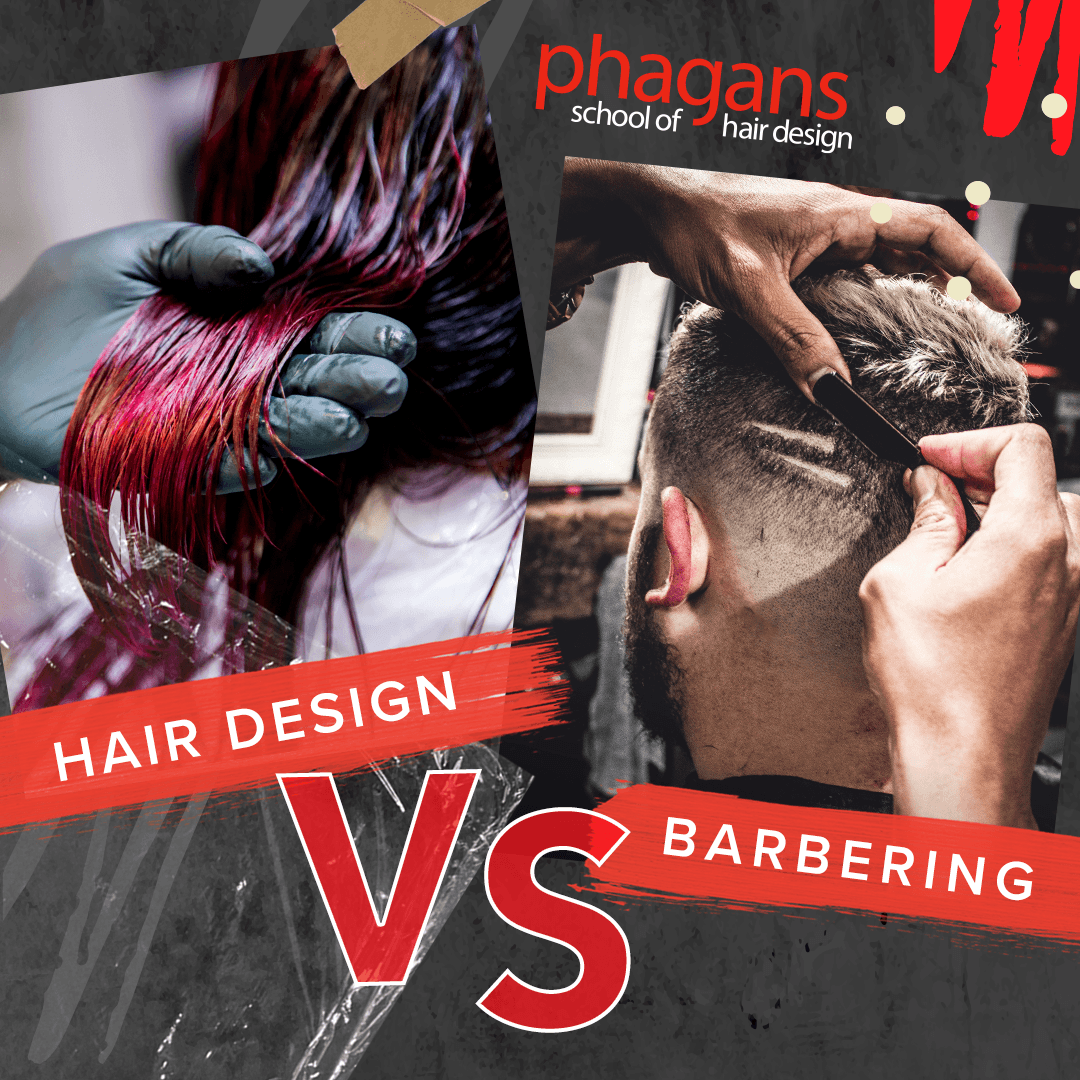
The main difference between Hair Design and Barbering in Oregon is the range of services each professional is authorized to perform. Hair designers can cut, color, style, perm, and relax hair, while barbers focus on haircutting, styling, shaving, and beard and mustache grooming without performing chemical hair treatments such as coloring or permanent waving. Both fields involve creativity, technical training, and client communication. At Phagans School of Hair Design in Happy Valley, Oregon, students can explore a 1,150-hour Hair Design program or a 786-hour Barbering program, with hands-on education and preparation to sit for the applicable state licensing examinations. Choosing between the two depends on which services interest you and the training you want to pursue.
If you’re passionate about hair and beauty, you may be considering a career in Hair Design or Barbering. Both professions involve helping clients achieve looks that suit their needs and preferences, but they also have important differences.
We know choosing between two educational paths can be difficult. Understanding what each field involves, the skills you’ll learn, and the program requirements can help you make a more informed decision.
At Phagans School of Hair Design, we offer education in both fields, giving students opportunities to learn technical skills, practice under instructor supervision, and explore professional expectations.
What Is the Difference Between Hair Design and Barbering?
Hair Design and Barbering both involve haircutting, hairstyling, and working directly with clients. The biggest difference in Oregon is that Hair Design includes chemical hair services such as coloring, bleaching, perming, and relaxing, while Barbering does not authorize those services.
Barbering places particular emphasis on haircutting, shaving, and facial-hair grooming. Hair Design covers a broader range of hair services and styling techniques.
Here’s how the two Phagans programs compare:
| Comparison | Hair Design | Barbering |
| Primary focus | Haircutting, coloring, styling, and chemical hair services | Haircutting, styling, shaving, and facial-hair grooming |
| Hair coloring and chemical services | Included within the authorized scope | Not included within the barbering scope alone |
| Beard and mustache services | Included within the Oregon Hair Design scope | Included within the Oregon Barbering scope |
| Phagans program hours | 1,150 hours | 786 hours |
| Training approach | Classroom education, practical training, and salon skills | Classroom education, practical training, and barbering skills |
Oregon regulates Hair Design and Barbering as separate fields of practice. Students must meet the applicable state credentialing requirements for their chosen field before performing regulated services professionally.
Program hours are based on Phagans’ published course information. Confirm current schedules and enrollment requirements directly with the school.
What Does a Hair Designer Do?
A hair designer cuts, colors, styles, and chemically treats hair to create looks based on individual client needs. Hair designers use technical skills, product knowledge, and consultations to plan and perform services.
Hair Design may be appealing if you enjoy many different aspects of hairstyling and want to learn about color, texture, cutting, and styling techniques.
Services associated with Hair Design include:
- Haircutting and shaping
- Hair coloring and bleaching
- Hairstyling and finishing
- Perming and permanent waving
- Relaxing and other permitted chemical services
- Bridal and event hairstyling
- Permitted scalp services
- Beard and mustache trimming or shaving within Oregon’s authorized scope
Hair designers work with different hair types, lengths, and styling preferences. Their goal is to understand what the client wants and use appropriate techniques to achieve the requested look.
Consultation is an important part of the work. Hair designers may discuss a client’s hair history, styling routine, preferences, and the services that are appropriate for the hair.
The profession also requires attention to sanitation, product directions, professional communication, and safe service procedures.
What Do You Learn in Phagans’ Hair Design Program?
Phagans’ Hair Design program consists of 1,150 hours of education and covers haircutting, hair coloring, chemical treatments, styling, state testing preparation, teamwork, and salon-related skills.
Our Hair Design program at Phagans School of Hair Design is designed for students who enjoy working with hair and want to develop a foundation in both theory and practical techniques.
The curriculum includes:
- Hair coloring: Learning coloring methods, product knowledge, and application techniques.
- Perming: Studying techniques used to create curls and waves through chemical services.
- Relaxing: Understanding chemical texture services and appropriate procedures.
- Haircutting: Developing skills in cutting, shaping, and creating different hairstyles.
- Hairstyling: Practicing finishing, updos, and other styling methods.
- State testing preparation: Reviewing subjects relevant to Oregon’s examinations.
- Teamwork: Learning to work with classmates, instructors, and clients.
- Salon expectations: Understanding professional conduct and client service.
- Business fundamentals: Exploring concepts related to operating or managing a salon.
At Phagans, students progress through structured levels of education. Foundational training includes classroom instruction and practice with mannequins, models, and other supervised learning activities.
After meeting the relevant progress requirements, students can move into supervised clinic-floor training to develop their technical and customer service skills.
This combination of theory, practice, and professional education helps students learn what is involved in Hair Design services.
What Career Paths Can Hair Designers Explore?
Hair Design education can provide a foundation for exploring work in salons, specialized hair services, product education, and beauty-related businesses after obtaining the appropriate professional credentials.
Possible directions include:
- Family hair salon: Providing hair services to clients with different styling needs.
- Hair specialty salon: Exploring a work environment focused on particular hair services or techniques.
- Product educator: Sharing knowledge about hair products and appropriate uses, depending on additional employer requirements.
- Entrepreneur: Exploring salon ownership or another beauty business after meeting applicable professional and business requirements.
- Hair and beauty blogger: Creating written content about products, techniques, and beauty interests.
- Social media content creator: Sharing hair-related educational or creative content through digital platforms.
Some professionals prefer working directly with salon clients. Others become interested in educating customers, creating content, or learning about business operations.
Career opportunities depend on individual qualifications, local employment conditions, and other circumstances. Beauty school does not guarantee employment, earnings, or business success.
What Does a Barber Do in Oregon?
An Oregon barber specializes in haircutting, hairstyling, shaving, and beard and mustache grooming. Barbering is often associated with short hairstyles and traditional grooming services, although clients and haircut preferences can vary.
Barbers develop skills in using tools such as clippers, scissors, combs, and razors for permitted services.
Services within Oregon’s Barbering scope include:
- Haircutting and shaping
- Wet and thermal hairstyling
- Shampooing and conditioning
- Beard trimming
- Mustache grooming
- Shaving
- Permitted scalp and facial grooming services
Unlike hair designers, barbers are not authorized under the Barbering credential alone to perform chemical services such as hair coloring, dyeing, relaxing, or permanent waving.
This distinction matters when choosing your education. If you want to focus on haircutting and shaving, Barbering may fit your interests. If you also want to provide hair color and chemical texture services, Hair Design may be more closely aligned with your goals.
Barbering also requires communication, product knowledge, sanitation, and attention to client comfort.
What Do You Learn in Phagans’ Barbering Program?
Phagans’ Barbering program consists of 786 hours and covers hair and scalp knowledge, haircutting, hairstyling, shaving, shampooing, conditioning, and professional practices. The program helps students prepare to sit for the applicable Oregon state examinations.
Students in our Barbering program at Phagans School of Hair Design can study:
- Hair and its associated structures
- Hair and scalp diseases and disorders
- Sculpting and haircutting
- Wet and thermal hairstyling
- Shampooing and conditioning
- Shaving techniques
- Hair and scalp care
- Professional tools and their appropriate use
- Sanitation and safety practices
- Customer service and professional development
Barbering education combines technical theory with practical instruction. Students have opportunities to work with tools, practice techniques, and receive instructor feedback.
Phagans’ published curriculum also describes a structured progression through foundational classes, practical assessments, and supervised clinic-floor experience.
Students learn about the professional responsibilities involved in providing grooming services, including communication, tool handling, and client care.
The program is intended to prepare students for the educational and practical demands of Barbering, not to guarantee examination success or employment.
What Career Paths Can Barbers Explore?
Barbering education can support professional interests in barbershops, grooming services, product education, and business-related roles after obtaining the appropriate credentials.
Career directions discussed in Phagans’ original article include:
- Product representative: Working with brands or distributors to explain grooming tools and products.
- Platform artist: Demonstrating techniques at beauty events or educational presentations, often with additional experience.
- Educator: Sharing barbering knowledge through teaching or training roles, subject to applicable qualifications.
- Freelance grooming professional: Exploring independently arranged work when permitted under the applicable professional and facility requirements.
- Barbershop owner: Operating a grooming business after meeting relevant business and licensing requirements.
Some barbers enjoy working in established shops and developing ongoing client relationships. Others may eventually become interested in specialized grooming services or business ownership.
Professional opportunities and working arrangements vary. Completing Barbering school provides education and a foundation for developing skills, but it does not guarantee a job, a particular income, or independent business success.
How Are Hair Design and Barbering Similar?
Hair Design and Barbering both require technical ability, creativity, client communication, sanitation knowledge, and training in professional hair services. Although their authorized services differ, both involve working closely with people and helping clients achieve their preferred appearance.
The two fields share several important qualities:
- Creativity: Both hair designers and barbers interpret a client’s preferences and use their skills to create a look.
- Technical knowledge: Both study hair structure, haircutting, styling, and appropriate use of tools and products.
- Client communication: Consultations help professionals understand client needs and explain services.
- Hands-on training: Both fields involve practical education and opportunities to develop service techniques.
- Sanitation and safety: Professionals must follow applicable health, safety, and regulatory standards.
- Professional relationships: Both fields involve customer service, teamwork, and ongoing client interactions.
Students in either field can benefit from patience, attention to detail, and a willingness to keep learning.
At Phagans, both programs combine classroom instruction with practical experience and education about professional expectations.
Should You Choose Hair Design or Barbering?
Choose Hair Design if you’re especially interested in hair coloring, chemical treatments, and a broad range of hairstyling techniques. Consider Barbering if you’re more interested in haircutting, shaving, beard grooming, and services traditionally associated with barbershops.
Your choice should be based on the work you want to learn, not simply which program is shorter.
Use these steps to compare your options:
- Think about the services you enjoy: Are you more interested in creating hair color and styling transformations, or in precision haircuts and grooming?
- Compare the curricula: Review what Phagans teaches in its 1,150-hour Hair Design program and 786-hour Barbering program.
- Consider the training commitment: Ask how program hours translate into the current class schedule and expected completion time.
- Understand Oregon’s scope of practice: Learn which services each state credential authorizes before deciding which education you need.
- Tour the school: Visit Phagans, observe the learning environment when possible, and ask about supervised practical training.
- Discuss tuition and enrollment: Request current pricing, start dates, and financial aid information for those who qualify.
You may already have a strong preference for one specialty, or you may still be deciding between the two.
Talking with admissions and learning about the daily training experience can help you determine which program better fits your interests.
Frequently Asked Questions About Hair Design vs. Barbering
What is the main difference between a hair designer and a barber?
In Oregon, hair designers can provide haircutting, styling, coloring, bleaching, perming, relaxing, and other permitted hair services. Barbers focus on cutting, styling, shaving, and beard and mustache grooming. Barbers cannot perform chemical hair treatments such as coloring or permanent waving under a Barbering credential alone.
Can barbers color hair in Oregon?
No. Oregon’s Barbering scope does not authorize chemical hair treatments such as coloring, dyeing, relaxing, or permanent waving. Professionals who want to provide those services must have the appropriate authorization, such as a Hair Design credential.
Can hair designers shave or trim beards in Oregon?
Yes. Oregon’s Hair Design scope includes shaving, trimming, or cutting beards and mustaches. Although these services are commonly associated with barbers, they are not exclusive to Oregon’s Barbering scope.
How long is the Hair Design program at Phagans?
Phagans School of Hair Design publishes a 1,150-hour Hair Design program. It covers haircutting, coloring, styling, chemical treatments, state testing preparation, and salon-related education. Actual completion time depends on scheduling, attendance, and academic requirements.
How long is the Barbering program at Phagans?
Phagans publishes a 786-hour Barbering program. Students study haircutting, hairstyling, shaving, shampooing, scalp knowledge, sanitation, and professional practices. Completion time depends on the current schedule and graduation requirements.
Does Phagans prepare students for Oregon licensing examinations?
Yes. Both the Hair Design and Barbering programs include technical education and preparation related to applicable Oregon state examination requirements. Eligible graduates can sit for the required examinations after meeting relevant requirements. Graduation does not guarantee passing or receiving state authorization to practice.
How Can You Get Started With Hair Design or Barbering at Phagans?
The first step is learning about the two programs and deciding which field matches the services you want to study.
At Phagans School of Hair Design in Happy Valley, students can explore Hair Design and Barbering through classroom instruction, hands-on practice, and preparation related to Oregon’s professional requirements.
Our admissions team can help you:
- Compare Hair Design and Barbering curricula
- Review the required program hours
- Learn about current class schedules and start dates
- Ask about supervised practical training
- Understand tuition and required materials
- Discuss financial aid for those who qualify
- Learn about enrollment requirements
- Schedule a campus tour
Both Hair Design and Barbering offer opportunities to develop creative and technical skills while learning about professional hair services.
Ready to explore your options? Contact Phagans School of Hair Design to compare Hair Design and Barbering programs and learn more about the next steps.
Financial aid is available for those who qualify in eligible programs. Program hours, scheduling, and enrollment requirements may change. Completing a beauty school program does not guarantee employment, earnings, examination success, or state licensure.