
May 20, 2019
5 Things Estheticians Want You to Know About Their Job
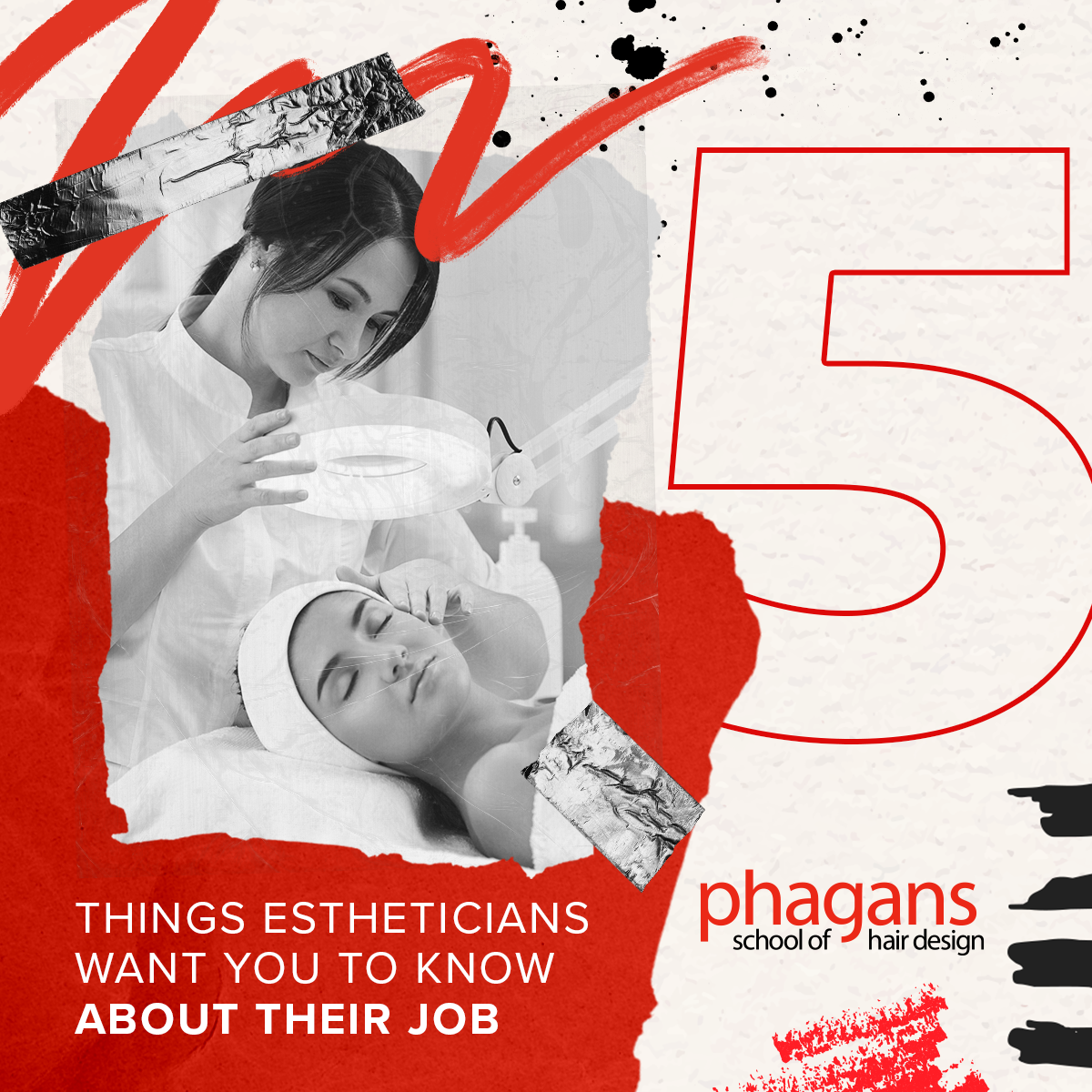
An esthetician is a skincare professional who provides beauty services such as facials, skincare treatments, makeup application, temporary hair removal, and certain lash and brow services within their authorized scope of practice. Becoming an esthetician involves learning about the skin, products, sanitation, client consultations, and hands-on treatment techniques. At Phagans School of Hair Design in Happy Valley, Oregon, students can complete a 600-hour Esthetics program that combines classroom education with supervised practical experience on the student clinic floor. The program prepares eligible graduates to sit for the applicable Oregon state examinations and pursue professional authorization to practice esthetics.
Are you interested in pursuing a future in the beauty industry? Perhaps you’re considering becoming an esthetician, but you’re not quite sure what the job entails.
Estheticians work with people who have different skin types, skincare concerns, and beauty goals. They can provide services such as skincare treatments, makeup, body treatments, temporary hair removal, lash and brow services, and more, depending on their training and scope of practice.
At Phagans School of Hair Design, our Esthetics program is designed to help students build their knowledge and practical skills as they prepare to pursue Oregon’s professional credentialing requirements.
If you’re considering this educational path, here are five important things to know about becoming an esthetician and what the profession involves.
1. How Much Training Does It Take to Become an Esthetician?
Becoming an esthetician requires specialized education, hands-on practice, and completion of applicable state examinations and credentialing requirements. At Phagans School of Hair Design, students complete a 600-hour Esthetics program focused on skincare knowledge and practical services.
Skincare techniques may seem simple on the surface, but professional esthetics education involves much more than learning how to perform a facial.
Students study the skin, safety and sanitation, treatments, products, and practical skills as they prepare to enter the profession.
In Oregon, the current standard approved-school curriculum includes:
- Esthetics education: 444 hours
- Practical operations: 220 required operations
- Oregon Laws and Rules: 20 hours
- Career Development: 20 hours
Practical operations are required service activities rather than additional training hours.
These are Oregon’s standard curriculum requirements. Individual approved schools may offer programs with different total hours.
At Phagans, our 600-hour Esthetics program includes education in:
- Skincare treatments
- Makeup application
- Body treatments
- Temporary hair removal
- Lash and brow tints
- Skin structure and related subjects
- Sanitation and professional practices
Students begin by learning esthetics fundamentals in a classroom environment and practicing on each other and models.
After successfully completing the beginning portion of the program, students can progress to the clinic floor, where they practice practical and customer service skills with actual clients under the supervision of licensed instructors.
Becoming an esthetician takes practice, education, and a willingness to continue developing your skills.
2. Is Esthetics a Good Career for People Who Love Working With Others?
Esthetics may appeal to people who enjoy working directly with clients, listening to their concerns, and helping them feel comfortable during beauty services. Communication and customer service are important parts of the profession.
Being an esthetician is not just about performing treatments and recommending skincare products. It’s also a people-focused field that can involve building ongoing relationships with clients.
Estheticians often spend one-on-one time with people learning about their skincare goals and discussing services that may be appropriate for their needs.
A typical consultation may involve:
- Greeting the client: Help the person feel welcome and comfortable.
- Discussing skincare goals: Ask what the client hopes to address or learn about.
- Reviewing relevant information: Consider skin characteristics, service precautions, and other information relevant to the planned treatment.
- Explaining appropriate services: Discuss options within the esthetician’s training and authorized scope of practice.
- Performing the service: Follow appropriate treatment, sanitation, and safety procedures.
- Providing aftercare information: Explain relevant post-treatment care and product-use guidance within the professional scope.
Different clients may have different expectations. Some enjoy discussing products and treatments, while others simply want a relaxing experience.
If you enjoy meeting people, listening to others, and helping clients feel comfortable, esthetics may be a field worth exploring.
At Phagans, practical training includes opportunities to develop customer service and communication skills alongside technical skincare techniques.
3. What Services Can Estheticians Provide?
Estheticians can provide a range of skincare and cosmetic services, including facials, makeup application, temporary hair removal, and certain body, lash, and brow treatments. The specific services an esthetician may perform depend on training, workplace requirements, and applicable state scope-of-practice rules.
When most people think of an esthetician, they probably think of facials. However, esthetics can cover a broader range of skincare and beauty services.
Facials and Skincare Treatments
Facials are among the services commonly associated with esthetics.
Students learn about the skin and techniques used in cosmetic skincare treatments, including product selection, treatment procedures, and appropriate sanitation practices.
Estheticians may work with clients who want help understanding skincare routines or choosing cosmetic services that fit their goals.
Makeup Application
Makeup is another area of beauty education included in the Phagans Esthetics curriculum.
Students can learn about cosmetic products, application techniques, and creating looks for different preferences or occasions.
Understanding makeup products and their proper use can be useful for professionals who enjoy both skincare and cosmetic artistry.
Temporary Hair Removal
Esthetics education can also include temporary hair removal services, such as waxing and other methods permitted under applicable professional rules.
These services require knowledge of proper techniques, sanitation, product use, and treatment precautions.
Students have opportunities to become familiar with the procedures and expectations associated with temporary hair removal.
Body Treatments
Some esthetics programs teach cosmetic body treatments and related skincare services.
At Phagans, body treatments are included among the subjects in the Esthetics curriculum.
Students can learn about appropriate service techniques and professional treatment practices.
Esthetics training does not automatically authorize medical procedures or services that require a separate professional credential.
Lash and Brow Services
Lash and brow treatments are another part of the beauty industry that may interest aspiring estheticians.
Phagans includes lash and brow tinting in its published curriculum.
These services require careful attention to product directions, safety, sanitation, and applicable regulations.
Students should understand that some specialized lash and brow procedures may involve additional rules or training requirements.
At Phagans, students study the skin and its associated structures, skin diseases and disorders, and a variety of esthetics treatments as part of the program.
4. Why Can Being an Esthetician Be a Rewarding Career?
Esthetics can be personally rewarding for people who enjoy skincare, creative beauty services, and working directly with clients. It also offers opportunities to continue developing technical knowledge and exploring different professional environments after obtaining the appropriate credentials.
One reason people are drawn to esthetics is the opportunity to help clients explore beauty routines and services that fit their preferences.
Some professionals enjoy performing facials, while others become especially interested in makeup, brow services, or skincare product education.
Depending on their goals, experience, and any additional requirements, estheticians may explore work environments such as:
- Day spas: Providing permitted skincare and beauty treatments.
- Salons: Offering esthetics services in an appropriately authorized beauty environment.
- Skincare studios: Working in businesses focused on cosmetic skincare.
- Beauty retail: Helping customers learn about skincare products and cosmetic routines.
- Product representation: Working with brands or distributors, depending on employer qualifications.
- Beauty education: Exploring educational opportunities with any additional qualifications required for the role.
Some estheticians eventually become interested in operating their own businesses, subject to applicable facility, business, and professional requirements.
The beauty industry also continues to evolve as new products, ingredients, and techniques become available.
That creates opportunities for professionals to keep learning throughout their careers.
Beauty school provides education and practical skill development. It does not guarantee employment, income, business success, or state licensure.
5. Why Is Product Knowledge Important for Estheticians?
Product knowledge helps estheticians understand skincare ingredients, product purposes, application methods, and appropriate recommendations within their professional scope. It is an important part of both skincare education and working with clients.
Estheticians don’t only develop practical treatment skills. They also study products and how they relate to different cosmetic skincare needs.
Clients may have different:
- Skin types
- Skincare goals
- Product preferences
- Daily routines
- Questions about ingredients
- Experiences with skincare products
Learning about products can help an esthetician understand how different options may fit into a client’s skincare routine while staying within the authorized scope of practice.
For example, estheticians may discuss general cosmetic skincare routines and appropriate product use.
They should also recognize when a client’s concerns require evaluation by a qualified medical professional rather than a cosmetic service.
Product knowledge can change over time as new formulations, ingredients, and trends enter the beauty industry.
Continuing education and professional learning can help estheticians stay informed as their work develops.
What Is Esthetics School Like at Phagans?
Phagans’ Esthetics program includes 600 hours of education designed to help students prepare for Oregon’s credentialing process and develop practical skincare skills. Students progress through classroom instruction, practical evaluations, and supervised clinic-floor experience.
The program is organized into levels, with students completing the required hours, operations, and written and practical assessments as they progress.
What Happens During the First Three Weeks?
The first three weeks of the Phagans Esthetics program are spent in a classroom environment where students learn the fundamentals of esthetics.
During this introductory period, students practice on each other and models while becoming familiar with important subjects and techniques.
The classroom foundation helps students prepare for more advanced practical education.
Students also complete evaluations to demonstrate their understanding of the material and practical skills.
When Do Esthetics Students Begin Working With Clients?
After successfully completing the first three weeks, students are assigned to the clinic floor, where they can begin practicing technical and customer service skills with actual clients under licensed instructor supervision.
Clinic-floor education gives students opportunities to:
- Practice appropriate skincare services
- Develop client consultation skills
- Learn professional sanitation procedures
- Become familiar with a treatment environment
- Receive feedback from instructors
- Apply classroom knowledge in practical situations
Classroom learning continues as students move through the program.
This combination helps students develop technical ability, customer service skills, and familiarity with professional expectations before completing their education.
How Do You Become an Esthetician in Oregon?
To become an esthetician in Oregon through the approved school pathway, students must complete qualifying education, satisfy practical examination requirements, and pass the applicable state written examinations. Graduating from school does not automatically grant authorization to practice.
The process generally involves:
- Choose an approved Esthetics program: Review the curriculum, training hours, scheduling, and enrollment requirements.
- Complete classroom and practical education: Finish the required subjects, operations, and school evaluations.
- Meet practical examination requirements: Complete the applicable board-approved practical examination through the educational pathway.
- Submit required records: The school provides the relevant transcript and practical examination results to Oregon’s Health Licensing Office.
- Take the written examinations: Eligible applicants can sit for the Esthetics field-of-practice examination and Oregon Laws and Rules examination.
- Complete the state credentialing process: Satisfy the remaining application and fee requirements before practicing regulated esthetics services.
Oregon officially uses the term Esthetics certification for its individual practitioner credential, although prospective students often refer to the process as obtaining an esthetician license.
Phagans’ 600-hour Esthetics program prepares students for the educational and practical steps involved in pursuing professional authorization.
Eligible graduates can sit for the required state examinations after meeting the applicable requirements. Passing the examinations and receiving a credential are not guaranteed by program completion.
Is Esthetics School Right for You?
Esthetics school may be a good fit if you enjoy skincare, working with people, hands-on learning, and developing knowledge about cosmetic treatments and products.
Before deciding to enroll, consider these questions:
- Do you enjoy learning about skincare products and treatments?
- Are you interested in helping clients understand their cosmetic skincare options?
- Do you like working directly with people?
- Are you comfortable learning practical techniques through supervised training?
- Do you want to study a focused beauty specialty rather than hair, skin, and nails together?
- Can you make time for the required coursework, practical training, and examinations?
Students come to beauty school at different stages of life. Some are exploring their first professional field, while others are considering a change.
If you’re deciding between Esthetics and another beauty specialty, ask about the differences in curriculum, program hours, and state requirements.
Financial aid may be available for those who qualify in eligible programs. You can review financial aid and options for managing beauty school costs before making an enrollment decision.
Frequently Asked Questions About Being an Esthetician
What does an esthetician do?
An esthetician provides cosmetic skincare and beauty services within their authorized scope of practice. Services may include facials, skincare treatments, makeup application, temporary hair removal, body treatments, and certain lash and brow services, depending on training and applicable state requirements.
How long does it take to become an esthetician in Oregon?
The timeline depends on the educational program, class schedule, attendance, and state credentialing process. Phagans School of Hair Design offers a 600-hour Esthetics program. Students must also meet Oregon’s practical and written examination requirements before obtaining professional authorization.
What do you learn in esthetician school?
Esthetics students learn about the skin, skincare products, treatments, sanitation, client consultations, and practical service techniques. At Phagans, the curriculum includes skincare treatments, makeup, body treatments, temporary hair removal, and lash and brow tints.
Do estheticians work with real clients during school?
At Phagans, students begin with classroom instruction and practice during the first three weeks of the Esthetics program. After successfully completing the introductory level, they can begin supervised clinic-floor training with actual clients while continuing their education.
Can estheticians provide medical skincare treatments?
An Oregon Esthetics credential does not automatically authorize medical procedures or every advanced skincare treatment. Services requiring separate professional authorization must be performed only by appropriately qualified professionals. Estheticians should follow their applicable scope-of-practice requirements.
Do you need a license to become an esthetician in Oregon?
Oregon requires appropriate state authorization to perform regulated Esthetics services professionally. The state uses the term Esthetics certification for the practitioner credential. Students following the approved school pathway must complete qualifying education, practical examination requirements, written examinations, and other applicable steps.
How Can You Start Your Esthetics Education at Phagans?
Starting Esthetics school begins with learning about the curriculum, required training hours, practical experience, and Oregon’s credentialing requirements.
At Phagans School of Hair Design in Happy Valley, our 600-hour Esthetics program gives students opportunities to develop technical knowledge and supervised practical skills.
Our admissions team can help you:
- Review the Esthetics curriculum
- Understand the 600-hour program requirements
- Learn about classroom and clinic-floor education
- Ask about current schedules and start dates
- Discuss tuition and required materials
- Explore financial aid for those who qualify
- Understand the enrollment process
- Schedule a campus tour
If you enjoy skincare, beauty, and working with people, Esthetics may be a field worth exploring.
Ready to learn more? Contact Phagans School of Hair Design to discuss Esthetics training and enrollment and find out what you can expect as a student.
Program information and schedules are subject to change. Financial aid is available for those who qualify in eligible programs. Completing beauty school does not guarantee employment, earnings, examination success, or state licensure.